

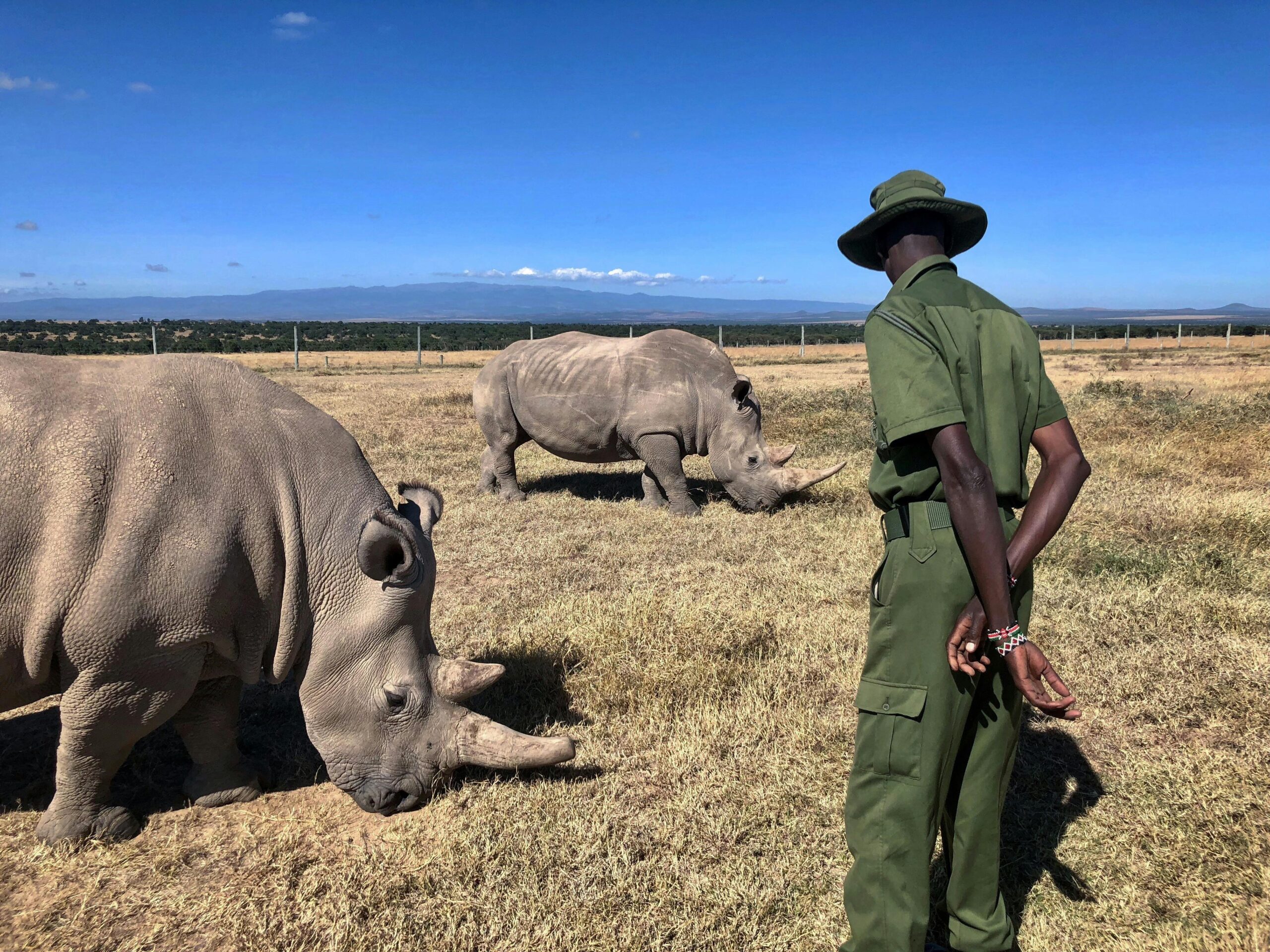
Luxury travel is facing a quiet revolution. The most discerning travelers are no longer impressed by excess, they are moved by integrity.
Across East Africa, a new kind of safari is redefining prestige, journeys that merge indulgence with impact. And in that shift, Engo Tours stands as both participant and witness.
The Economics of Elegance
Kenya and Uganda together welcome over two million tourists each year. For decades, this influx has been seen as economic fuel, but not all dollars land where they should.
Conservation experts estimate that less than 15 percent of traditional tourism revenue in East Africa reaches local communities. The rest stops at intermediaries.
In contrast, community-based conservancies have rewritten this formula. When travelers stay within privately managed conservancies like Oloisukut, a significant portion of each bed-night fee goes directly to local landowners. That model does more than support families, it protects ecosystems.
By giving landholders a financial stake in wildlife, it turns coexistence into collaboration. Lions become assets, not threats. Grasslands stay intact, not parceled out for farming.
Responsible luxury is not a slogan, it is a system.
The Hidden Hands Behind Every Moment
Every seamless safari has a network of invisible workers: rangers, cooks, drivers, artisans, and farmers. In the Engo Tours ecosystem, many of these people come from the very communities surrounding the conservancies and coastal lodges where guests stay.
In the Masai Mara, that could mean a young Maasai woman who crafts the beadwork adorning guest rooms. In Zanzibar, it may be a spice grower whose clove harvest ends up in your evening tea.
When travel is structured with intention, every indulgence has a ripple effect. The story of luxury becomes shared prosperity.
Small Actions, Measurable Change
At Oloisukut Conservancy, guest levies fund ranger patrols that monitor wildlife corridors stretching from the Mara into the Transmara Hills.
In Uganda’s Bwindi region, tourism levies finance healthcare centers that serve both guides and gorilla trackers’ families.
On Zanzibar’s coast, waste management partnerships between lodges and local councils reduce plastic pollution threatening coral reefs.
These are not grand gestures, they are practical shifts with tangible outcomes.
The United Nations World Tourism Organization defines sustainable tourism as travel that “takes full account of economic, social, and environmental impact.” East Africa’s best lodges and operators have translated that from policy to practice.
The Local Voices
“We used to see lions as danger,” says Ole Nkadaru, a landowner in the Mara North Conservancy. “Now, when tourists come, they bring income. The lions protect our future.”
On the coast, a Zanzibari entrepreneur named Asha tells a similar story. She supplies essential oils to several high-end resorts. “We don’t want charity,” she says. “We want consistent business. That’s what Engo’s model gives us.”
Her point cuts through the marketing language of corporate sustainability, it’s not about pity, it’s about partnership.
The Traveler’s Role
No traveler should feel guilt for seeking comfort. The challenge is to ensure comfort contributes rather than consumes.
Choosing a lodge that employs locally, books through operators that pay fair fees, and visits communities through structured cultural exchanges keeps wealth circulating in the regions travelers come to admire.
It’s an act of elegance, one that aligns pleasure with purpose.
When a guest drinks locally roasted Ugandan coffee in a Mara tent, or when a resort sources seafood from nearby cooperatives instead of imports, that decision becomes part of a larger ethic.
Luxury, when designed consciously, becomes a form of quiet activism.
The Future of African Luxury
Younger African entrepreneurs are bringing new sophistication to this movement. They combine the aesthetics of five-star travel with the pragmatism of local sustainability. Their vision doesn’t reject luxury, it redefines it.
It’s in the details: solar power hidden beneath thatched roofs, water recycling systems behind the infinity pool, indigenous art replacing imported décor.
This is the new language of prestige. Subtle, responsible, enduring.
What It Means for the Traveler
The Discerning African Aficionado is not a tourist, they are a steward.
They measure value by how their travel shapes the places they love.
When they choose Engo Tours, they are not buying a product. They are joining a philosophy where every mile and every moment matter.
It’s luxury, yes, but it’s also legacy.
Reflections
Responsible travel is not sacrifice. It is refinement—the next evolution of what it means to travel well.
Because the future of African luxury will not be defined by who sees the most, but by who gives the most gracefully.
Engo Tours | Curated African Journeys
Crafting Unforgettable, Responsible Luxury Experiences.