

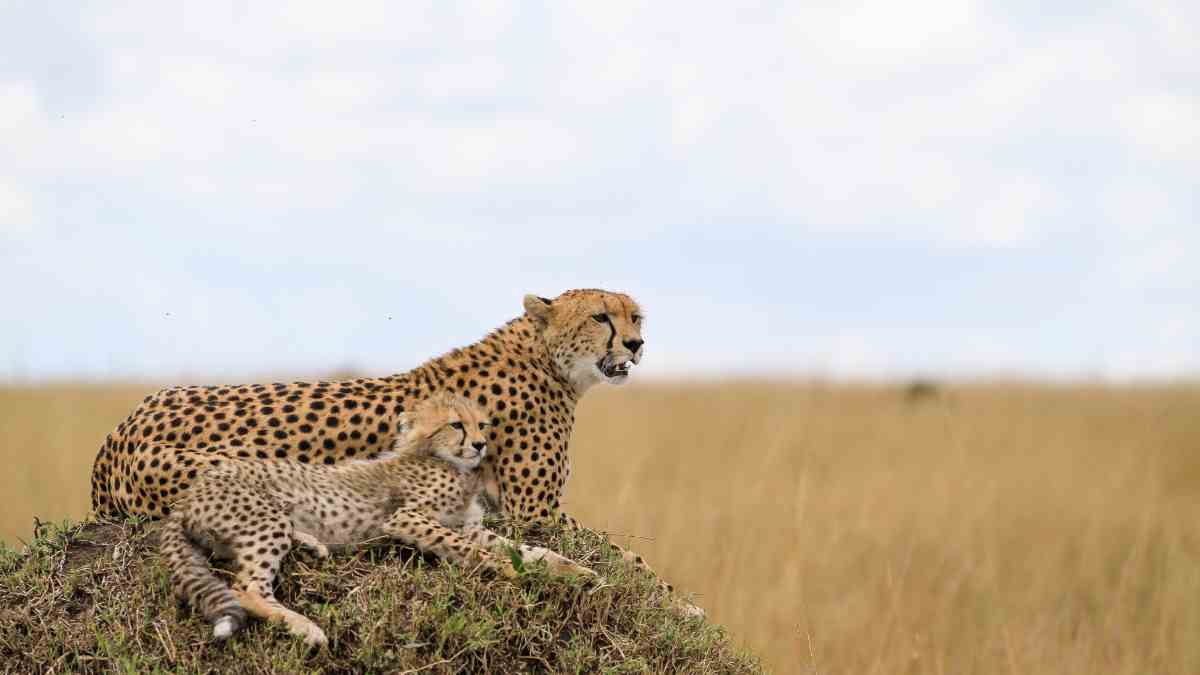
Big Cat Encounters, Quiet Moments With Power
Guided tracking, calm positioning, and steady days built for clear sightings.
Big cat viewing is not about speed. It is about timing, patience, and understanding the rhythm of the land. You follow your guide through open plains, riverbeds, and soft morning light. You wait. You listen. When a lion rises, or a cheetah shifts into motion, the moment feels measured and natural. You feel the presence, not the noise.
Experience Overview
Big cat viewing is central to the East African safari story. Lions rest under acacia trees. Cheetahs scan the horizon from termite mounds. Leopards move in quiet arcs through river forests.
Your guide reads the landscape through signs, tracks, and subtle behavior. The experience feels focused yet calm. You spend time observing rather than chasing.
This experience suits travelers who want grounded wildlife moments without pressure or crowding.
Why Big Cat Tracking With Engo Tours
We work in regions known for strong predator sightings. Our guides understand behavior, movement patterns, and seasonal shifts. We prioritize clarity, patience, and positioning.
You benefit from:
• Guides trained to read tracks, terrain, and early morning movement
• Private vehicles for full control of timing and stops
• Conservancies with lower vehicle numbers for quiet encounters
• Early starts to avoid crowds and heat
• Thoughtful pacing to reduce fatigue during long drives
• Access to regions with consistent lion, leopard, and cheetah sightings
• Clean communication and realistic expectations throughout
What the Experience Feels Like
The Early Drive
You leave camp before sunrise. The air is cool. Your guide follows night tracks while listening for distant calls. The landscape feels open and calm.
The Search
You scan the plains, bushes, and termite mounds. Your guide reads subtle signs. A tail flick in tall grass. A vulture circling. A fresh track on sandy soil.
The search builds anticipation without rush.
The Encounter
You find a lion pride resting in morning light. A cheetah family walking through short grass. A leopard settling on a branch.
Your guide positions the vehicle quietly. You watch without intrusion. You notice detail: breath, muscle, focus, and the slow pacing of their day.
The Afterglow
You return to camp. Warm breakfast. Soft conversation. The experience settles in long after the sighting ends.
Where Big Cat Viewing Works Best
We focus on regions with clean density, strong guiding, and low stress movement.
Masai Mara
High cat density and strong guiding. Calm conservancies reduce vehicles and pressure.
Serengeti
Wide plains. Predictable movement during migration seasons. Excellent early morning sightings.
Laikipia
Quiet conservancies with experienced trackers and varied terrain.
Okavango Delta and Linyanti (Botswana)
Private land, low vehicle numbers, and calm, structured drives.
Kruger Private Reserves
Reliable leopard sightings and polished guiding.
Who This Experience Is For
This experience suits:
• First time safari travelers who want strong sightings without feeling rushed
• Photographers who want clean light, quiet positioning, and patient guiding
• Couples who enjoy calm moments and shared anticipation
• Families with teens who like the focus and energy of tracking
• Repeat travelers seeking deeper behavioral understanding, not only sightings
It fits guests who enjoy early mornings, slow observation, and natural movement.
Best Time for Big Cat Viewing
Year round, but with different moods:
• June to October brings clear visibility and strong hunting behavior.
• January to March offers warm light and calm predator activity.
• December to February is excellent for cheetah and general predator viewing in some regions.
Clear guiding matters more than exact months.
Responsible Travel
We follow quiet positioning. No chasing. No crowding. We work in conservancies and parks that limit vehicles and protect natural behavior.
Your experience supports anti poaching programs, local guides, and community driven land management.
Share your travel
Share your travel dates, preferred pace, and the type of big cat encounters you hope for. We will recommend the right regions, conservancies, and guides. You receive a clean plan with realistic expectations and steady support.